
Introduction
Mobile messaging has evolved dramatically over the last decade. While SMS has remained one of the most reliable communication channels for businesses, it has long struggled to deliver strong brand experiences. Traditional SMS messages are text-only and lack the visual engagement that modern consumers expect. At the same time, branded mobile apps require downloads and ongoing engagement, which can create friction for users.
This is where RCS (Rich Communication Services) enters the picture. By enabling rich media, verified sender identities, and interactive messaging features, RCS bridges the gap between branding and direct mobile communication. In particular, the RCS Multimedia Message format allows businesses to combine the simplicity of SMS with the power of app-like interactions. As a result, brands can create visually engaging messages that build trust and increase customer engagement without requiring additional apps.
Understanding the Evolution of Mobile Messaging
For many years, businesses relied on SMS to deliver notifications, alerts, and promotional updates. SMS is universal and highly reliable, but its capabilities are limited to simple text messages. As consumer expectations grew, businesses began searching for ways to add branding and multimedia content to mobile communications.
Messaging apps such as WhatsApp and Messenger attempted to fill this gap, but they require users to install and actively use the application. RCS, on the other hand, works directly within the native messaging app on many smartphones. This allows businesses to send RCS Multimedia Message campaigns that include images, videos, buttons, and branded layouts while maintaining the simplicity and reach of traditional messaging.
What Is an RCS Multimedia Message?
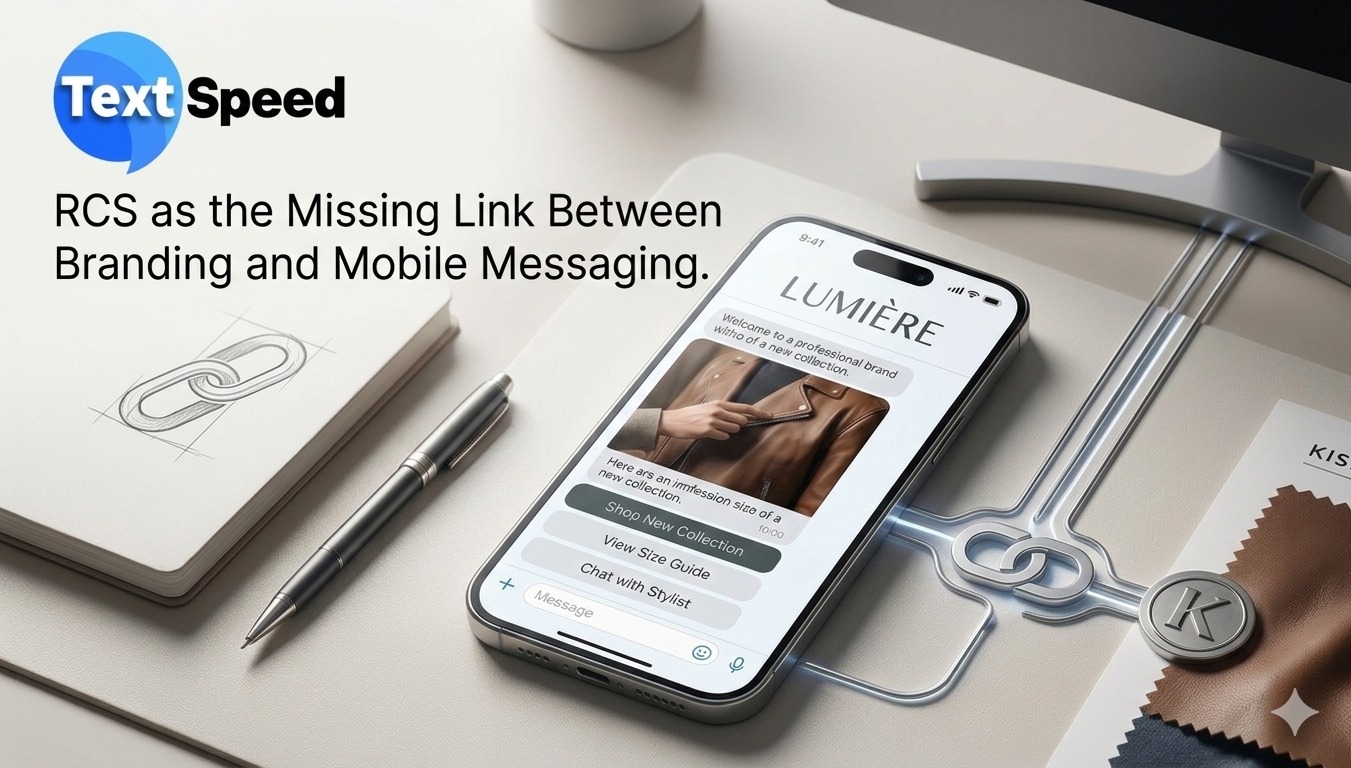
An RCS Multimedia Message is an enhanced mobile message that supports rich media content and interactive features. Unlike standard SMS, RCS messages can display visual elements such as:
- High-resolution images
- Videos and animated content
- Product carousels
- Interactive buttons
- Suggested replies
These features allow businesses to create engaging mobile experiences directly in the user’s messaging inbox. Instead of reading a plain text message, customers can interact with branded content that feels similar to a mobile app.
Why Branding Matters in Mobile Messaging
Branding plays a crucial role in building trust and recognition among customers. When messages appear generic or anonymous, customers may hesitate to engage. However, when a message includes clear branding elements such as logos and verified business names, customers immediately recognize the sender.
With RCS Multimedia Message capabilities, brands can include their official identity within every message. This ensures consistency across marketing campaigns and strengthens brand recall. Customers are more likely to interact with messages that clearly represent a trusted business rather than an unknown sender.
Key Benefits of RCS for Business Communication
1. Rich Visual Communication
One of the biggest advantages of RCS is the ability to send visually rich content. Businesses can showcase products, highlight promotions, and present information in a visually appealing format. A single RCS Multimedia Message can include multiple images, action buttons, and dynamic content, making it far more engaging than traditional SMS.
2. Verified Sender Identity
RCS messaging includes verification features that confirm the identity of the sender. Customers can see the official brand name and logo within the message. This verification helps prevent fraud and builds trust between businesses and consumers.
3. Interactive Customer Engagement
Traditional messaging is typically one-way communication. RCS, however, enables two-way conversations with interactive elements. Customers can click buttons, respond with suggested replies, or navigate through product options within the message itself. This interactive approach significantly improves engagement rates.
4. Enhanced Customer Experience
By combining rich media with conversational features, RCS Multimedia Message campaigns create a smoother and more enjoyable user experience. Customers can complete actions such as browsing products, booking services, or confirming appointments directly within the messaging interface.
Use Cases for RCS in Business Messaging
Businesses across multiple industries are adopting RCS to enhance their mobile communication strategies.
E-Commerce Promotions
Retailers can send interactive product catalogs using RCS Multimedia Message campaigns. Customers can browse products, view images, and click purchase links directly within the message.
Customer Support
Companies can provide automated support options through interactive buttons and quick replies. This reduces response times and improves customer satisfaction.
Transactional Notifications
Banks and financial institutions can deliver secure, branded notifications that clearly identify the sender and provide additional information through multimedia elements.
Event Invitations
Brands can create visually appealing invitations with RSVP buttons, event details, and location maps included in a single message.
The Future of Branded Mobile Messaging
As customer expectations continue to evolve, businesses must adopt communication channels that combine convenience with engagement. RCS represents the next generation of mobile messaging, offering a balance between reliability and interactive brand experiences.
The adoption of RCS Multimedia Message campaigns is expected to grow rapidly as more smartphones and carriers support the technology. Businesses that adopt RCS early will gain a competitive advantage by delivering richer and more personalized communication experiences.
Conclusion
RCS has emerged as the missing link between branding and mobile messaging. By transforming simple text messages into interactive, visually engaging experiences, it allows businesses to communicate more effectively with their customers. The ability to send an RCS Multimedia Message that includes images, videos, and verified brand identities makes mobile communication more trustworthy and engaging than ever before.
As businesses continue to explore innovative ways to connect with customers, RCS will play a crucial role in shaping the future of digital communication. Brands that embrace this technology today will be better positioned to deliver impactful, memorable messaging experiences tomorrow.
FAQ
What is an RCS Multimedia Message?
An RCS Multimedia Message is an enhanced mobile message that includes images, videos, interactive buttons, and branded elements.
How is RCS different from SMS?
RCS supports multimedia content, branding, and interactivity, while SMS is limited to text.
Do users need to install an app to receive RCS messages?
No. RCS works within the default messaging app on supported smartphones.
Why should businesses use RCS messaging?
RCS helps businesses improve engagement, build trust with verified branding, and deliver interactive customer experiences.
Written by Textspeed
Telecom & CPaaS Technical Specialists · Reviewed for AccuracyOur content is authored by enterprise communications specialists and strictly reviewed for technical accuracy, regulatory compliance (TRAI/DLT), and industry best practices. Read our Editorial Policy to learn how we maintain trust.