
Introduction
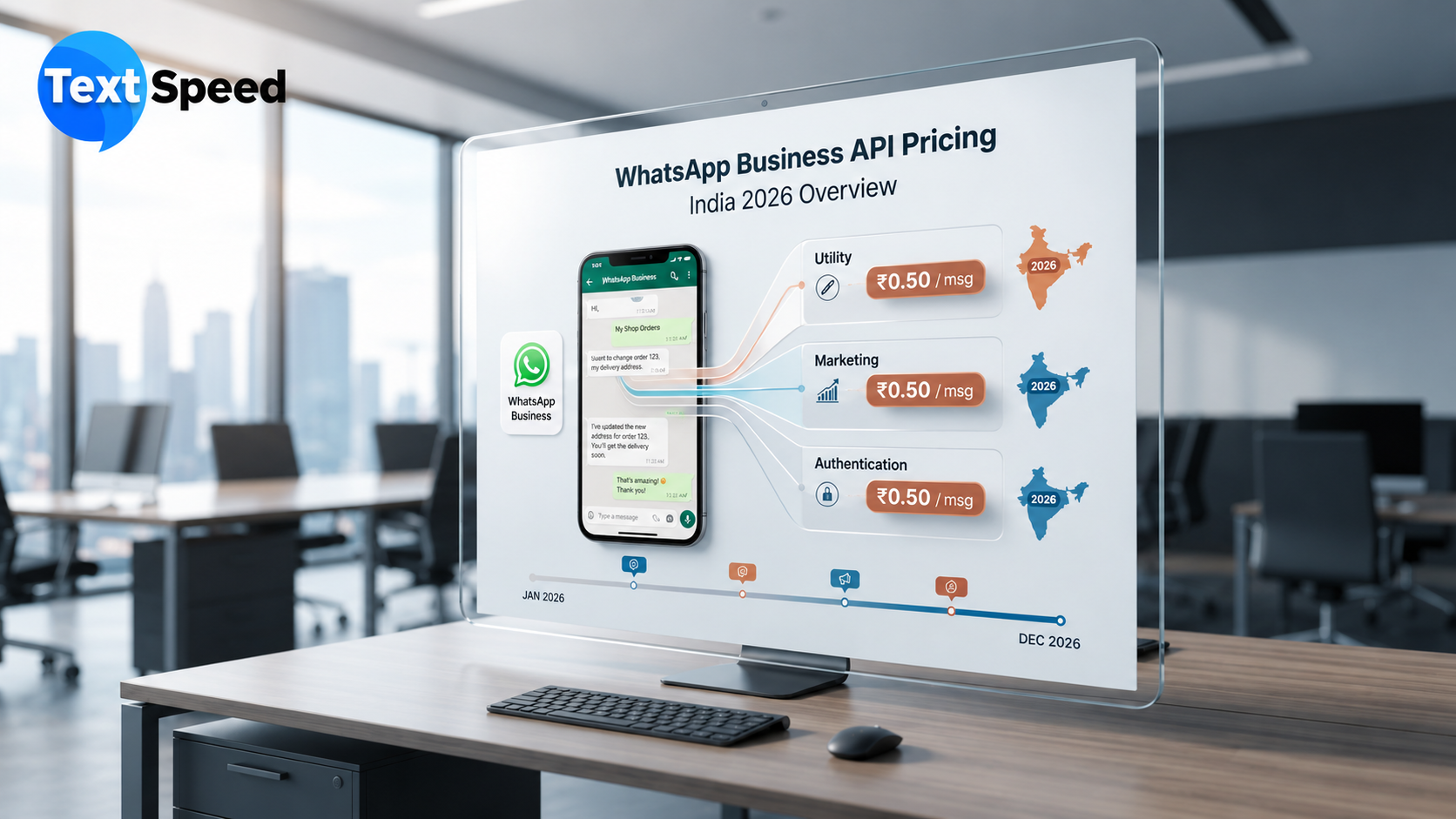
Customer communication is changing rapidly, and businesses are investing in platforms that offer faster, more personalized conversations. Among these, the WhatsApp Business API has become one of the most preferred solutions for customer support, sales, order updates, and marketing campaigns. However, before implementing the platform, one important question arises: What does WhatsApp Business API Pricing India 2026 look like?
Understanding WhatsApp Business API Pricing India 2026 is not only about knowing the cost of sending messages. It also involves understanding conversation categories, platform charges, integration costs, and the overall value the API delivers to businesses. Whether you are a startup, an e-commerce brand, or a large enterprise, having a clear understanding of pricing helps you build an efficient communication strategy without unexpected expenses.
Why Businesses Are Adopting WhatsApp Business API
WhatsApp has become one of the most widely used messaging applications, making it an ideal platform for customer engagement. Businesses are using the API to communicate in real time while providing a seamless customer experience.
Common business use cases include:
- Customer support
- Order confirmations
- Delivery notifications
- Appointment reminders
- Payment alerts
- Marketing campaigns
- Lead generation
- Customer feedback collection
Because customers are already familiar with WhatsApp, businesses often experience higher engagement compared to traditional communication channels.
Understanding WhatsApp Business API Pricing in 2026
When discussing WhatsApp Business API Pricing India 2026, it is important to know that pricing is generally based on conversations rather than individual messages. A conversation begins when either a business or a customer initiates communication and remains active for a defined period.
The overall cost depends on several factors, including:
- Type of conversation
- Number of conversations
- Business Solution Provider (BSP)
- Platform subscription fees
- Integration requirements
- Automation features
This pricing model gives businesses greater flexibility because they pay according to actual customer interactions instead of message volume alone.
Factors That Influence Pricing
Several components contribute to the total cost of implementing the WhatsApp Business API.
Conversation Categories
Business conversations are generally grouped into categories such as:
- Marketing conversations
- Utility conversations
- Authentication conversations
- Customer service conversations
Each category may have a different pricing structure depending on the latest WhatsApp policies and your chosen Business Solution Provider.
Business Solution Provider Charges
Most businesses access the WhatsApp Business API through an authorized Business Solution Provider (BSP).
The provider may offer additional services such as:
- API hosting
- Dashboard access
- Campaign management
- Chatbot integration
- CRM connectivity
- Technical support
These services may involve separate subscription or service charges.
Integration and Development
Businesses integrating the API with websites, mobile applications, CRM systems, or ERP software should also consider implementation costs.
The complexity of integration depends on the organization's communication requirements and existing technology infrastructure.
Benefits That Justify the Investment
Although businesses naturally compare costs before implementation, the value delivered by the API often extends beyond pricing.
Improved Customer Engagement
Interactive conversations encourage customers to respond quickly, improving communication efficiency and customer satisfaction.
Automation Saves Time
Businesses can automate:
- Welcome messages
- Order updates
- Appointment reminders
- Payment confirmations
- Frequently asked questions
Automation reduces manual effort while improving response speed.
Better Customer Experience
Customers appreciate receiving updates on a platform they already use daily.
A familiar communication channel often leads to higher engagement and improved customer loyalty.
Higher Conversion Opportunities
Businesses can guide customers through purchasing decisions by sharing product information, answering questions, and providing timely assistance—all within a single conversation.
How Businesses Can Control Costs
A well-planned messaging strategy helps maximize return on investment.
Here are a few practical approaches:
Send Relevant Messages
Only communicate information that provides genuine value to customers.
Use Automation Wisely
Automate routine conversations while allowing human agents to manage more complex customer interactions.
Segment Your Audience
Target specific customer groups instead of sending broad campaigns to everyone.
Monitor Performance
Track metrics such as:
- Conversation volume
- Response rates
- Customer satisfaction
- Conversion rates
Performance analysis helps optimize messaging while managing costs effectively.
Who Should Use WhatsApp Business API?
The API is suitable for organizations across multiple industries.
E-commerce
Manage orders, delivery updates, abandoned cart reminders, and promotional campaigns.
Healthcare
Schedule appointments, send reminders, and communicate health-related updates.
Education
Share admission notifications, examination schedules, and student announcements.
Banking and Financial Services
Provide secure authentication, transaction alerts, and customer assistance.
Travel and Hospitality
Send booking confirmations, itinerary updates, and customer support messages.
Businesses of all sizes can benefit from the scalability and flexibility offered by the API.
Future Trends for WhatsApp Business API
As digital communication continues to evolve, businesses can expect additional capabilities such as:
- AI-powered customer support
- Advanced chatbot automation
- Rich media messaging
- Personalized customer journeys
- CRM-driven communication
- Enhanced business analytics
These innovations will allow businesses to deliver even more personalized and efficient customer experiences while maximizing the value of their investment.
Final Thoughts
Understanding WhatsApp Business API Pricing India 2026 is about more than comparing costs—it's about evaluating the long-term value of secure, scalable, and personalized customer communication.
Businesses that carefully plan their messaging strategy, automate routine interactions, and choose the right implementation partner can achieve excellent returns while improving customer satisfaction.
As customer expectations continue to evolve, the WhatsApp Business API remains one of the most effective communication platforms for businesses seeking stronger engagement, faster support, and sustainable growth.
FAQs
1. What is WhatsApp Business API Pricing India 2026?
It refers to the pricing model businesses in India follow when using the WhatsApp Business API, including conversation-based charges and provider service fees.
2. Is WhatsApp Business API pricing based on individual messages?
No. Pricing is generally based on conversation categories rather than the number of individual messages sent.
3. What factors affect WhatsApp Business API costs?
Conversation type, Business Solution Provider charges, API integration, automation features, and overall conversation volume all influence pricing.
4. Can small businesses use WhatsApp Business API?
Yes. Small businesses, startups, and enterprises can all benefit from the API by choosing a solution that fits their communication needs and budget.
5. How can businesses reduce WhatsApp Business API expenses?
Businesses can optimize costs by sending relevant messages, using automation effectively, segmenting audiences, and monitoring campaign performance regularly.
Written by TEXTSPEED
Telecom & CPaaS Technical Specialists · Reviewed for AccuracyOur content is authored by enterprise communications specialists and strictly reviewed for technical accuracy, regulatory compliance (TRAI/DLT), and industry best practices. Read our Editorial Policy to learn how we maintain trust.