
Introduction
An online store does not always make a sale when someone visits its website. A visitor might explore a product, add an item to the cart, or compare prices before leaving. Email provides businesses with an opportunity to continue that conversation after the visitor leaves the store.
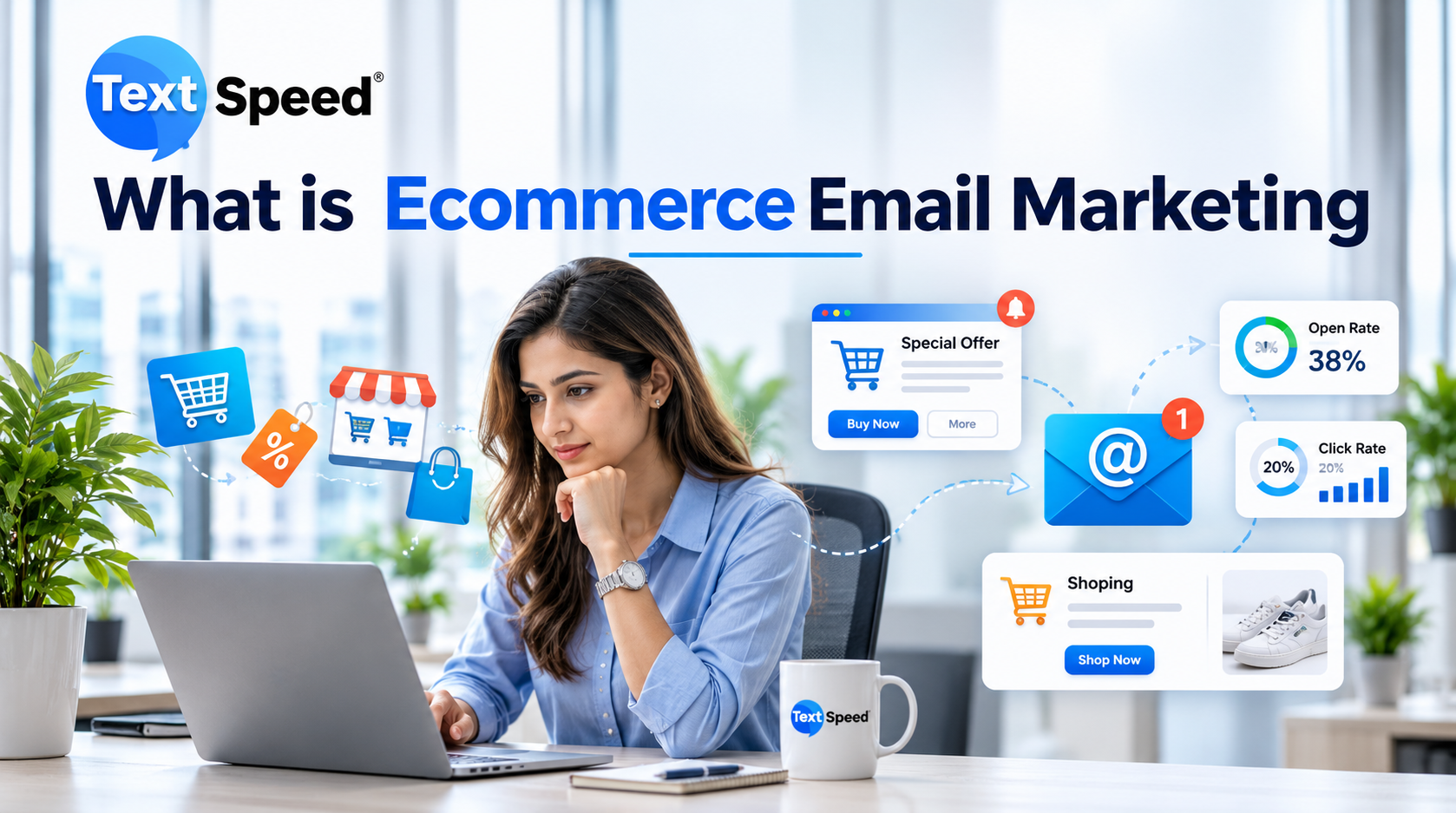
Ecommerce Email Marketing is the practice of using email campaigns to communicate with online shoppers throughout their buying journey. Businesses use it to introduce products, share special offers, confirm orders, recover abandoned carts, and encourage customers to purchase again.
Unlike messages sent to a general audience, ecommerce emails can be tailored to customer interests, shopping activity, and previous purchases. This makes communication more relevant and useful.
How Does Ecommerce Email Marketing Work?
The process begins when visitors subscribe to a store's mailing list or provide their email address during a purchase. With appropriate permission and privacy practices, businesses can organise subscribers into different groups and send relevant messages.
For example, a customer who purchases skincare products may receive product-care advice or information about complementary items. Someone who leaves products in a shopping cart may receive an abandoned-cart reminder.
Email marketing platforms help online retailers manage subscriber lists, create campaign designs, automate messages, and review performance reports.
Important Types of Ecommerce Email Campaigns
1. Welcome Emails
A welcome email introduces new subscribers to your store. It can explain what your business offers, highlight popular categories, and provide a first-purchase incentive when appropriate.
2. Abandoned Cart Emails
Some shoppers leave without completing checkout. A reminder can bring their attention back to the products they considered. Include product details and a direct link to the shopping cart.
3. Order Confirmation Emails
Customers appreciate knowing that their purchase was successfully recorded. Confirmation emails can include order details, payment information, and expected delivery updates.
4. Promotional Emails
Retailers use promotional campaigns to announce seasonal sales, limited-time discounts, new arrivals, and special collections. A focused offer with a clear call to action makes it easier for shoppers to respond.
5. Product Recommendation Emails
Based on suitable customer preferences and purchase history, businesses can recommend related products. For instance, a customer buying a camera may be interested in compatible accessories.
6. Customer Re-engagement Emails
Subscribers may stop interacting with a store over time. A personalised update, new product announcement, or relevant offer can encourage them to revisit the website.
Benefits of Ecommerce Email Marketing
A well-planned email strategy can support several areas of online retail.
- Repeat purchases: Remind existing customers about useful products and new collections.
- Personalised communication: Share content based on shopping interests and customer activity.
- Cart recovery: Encourage interested shoppers to complete unfinished purchases.
- Product awareness: Introduce new arrivals and highlight selected collections.
- Customer relationships: Maintain communication beyond the initial transaction.
- Performance tracking: Measure opens, clicks, conversions, and revenue attributed to campaigns.
Best Practices for Better Email Campaigns
Successful Ecommerce Email Marketing requires more than sending frequent promotional messages. Online retailers should focus on the quality and relevance of each campaign.
Understand your audience: Separate subscribers based on their interests, purchase history, and engagement.
Write useful subject lines: Give readers a clear reason to open the email without making misleading promises.
Design for mobile devices: Use readable text, organised layouts, and buttons that are easy to tap.
Include one clear action: Guide customers towards a product, offer, or relevant page instead of overwhelming them with multiple messages.
Test campaign performance: Experiment with subject lines, sending times, and content formats. Use the results to improve future campaigns.
Respect subscriber preferences: Obtain appropriate consent, protect customer information, and provide a clear unsubscribe option.
How Textspeed Technology Supports Business Communication
Textspeed Technology provides communication solutions for businesses looking to manage customer engagement across different channels. Along with messaging services, businesses can explore its email-related communication solutions for their marketing and notification requirements.
Combining email with suitable channels such as SMS and WhatsApp can help online retailers reach customers through different stages of the buying journey. The right channel should depend on the message purpose and customer preference.
Conclusion
Ecommerce Email Marketing gives online stores a practical way to maintain customer relationships, promote products, and encourage repeat purchases. From welcome messages to abandoned-cart reminders, each campaign can serve a specific purpose in the shopping journey.
Rather than focusing only on the number of emails sent, businesses should prioritise relevant content, useful timing, and measurable results. A consistent strategy can turn occasional shoppers into returning customers.
Frequently Asked Questions
- What is ecommerce email marketing used for?
It helps online stores promote products, send order updates, recover carts, and encourage repeat purchases. - Is email marketing useful for small online stores?
Yes. Small retailers can use targeted campaigns to communicate with subscribers without requiring a large marketing team. - What is an abandoned cart email?
It is a reminder sent to shoppers who add products to their cart but do not complete checkout. - How often should ecommerce businesses send emails?
The frequency depends on customer expectations, campaign purpose, and subscriber engagement. - Which metrics should businesses track?
Monitor delivery, opens, clicks, conversions, unsubscribes, and campaign-generated revenue.
Written by SEO Specialist
Telecom & CPaaS Technical Specialists · Reviewed for AccuracyOur content is authored by enterprise communications specialists and strictly reviewed for technical accuracy, regulatory compliance (TRAI/DLT), and industry best practices. Read our Editorial Policy to learn how we maintain trust.